In 2026 Nomad Tax became one of the greatest headaches for any freelancer, remote employee, entrepreneur and digital nomad.
Home is a beach in Bali, a café in Lisbon, the corner of a coworking space in Mexico City. It sounds like freedom. But while your office can go with you, your tax burden does not follow.
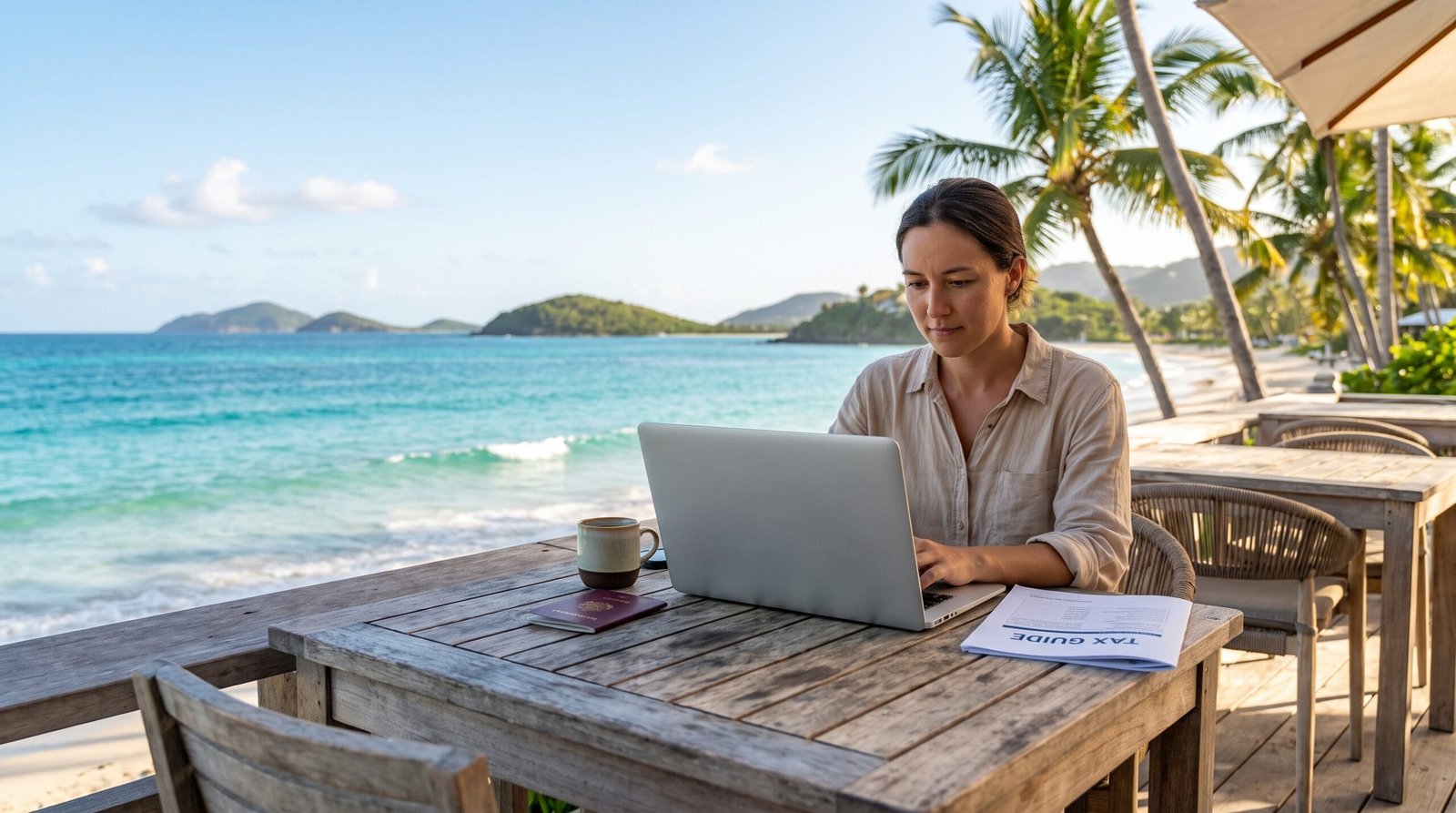
Tax laws, residency rules, reporting requirements and tax treaties are also different for every country. A false assumption can result in double taxation, additional penalties or an unwelcome tax bill.
The bright news is that it doesn’t have to be an international taxation nightmare! With a grounding in the fundamentals, you can manage your taxes… location-independent.
This guide will teach you how digital nomad taxes work, how tax residency is decided, how to avoid tax double taxation, and how you can estimate them using a Digital Nomad Tax Calculator.
What Is Nomad Tax?
Nomad Tax is the tax liability related to people that earn income while living or travelling abroad.
Digital nomads differ from employees who generally work in the country they reside in and pay taxes in that country.
- Work remotely for international companies
- Freelance for clients worldwide
- Operate online businesses
- Live in multiple different countries every other year
- Earn income in different currencies
This leads to certain complexities in taxation as multiple countries may then seek to tax the same income.
Your tax residency is the first thing you need to understand to know where you owe taxes.
Digital Nomad Taxes: Why It’s More Complicated Than You Think Even With Conventional Employment
A common belief from new digital nomads is that they will no longer have to pay taxes once they leave their home country.
Unfortunately, that’s rarely true.
Instead, you have the responsibility of tax in one or more of the following ways:
- Your country of citizenship
- Your country of tax residency
- The country in which you actually work for
- Countries Where Your Business Is Registered
- Countries your clients are in (only if on a limited basis)
Different tax rules apply in each country.
Which is exactly why planning ahead is such an integral aspect of moving overseas the right way.
Understanding Tax Residency
One of the important topics in international taxes is tax residency.
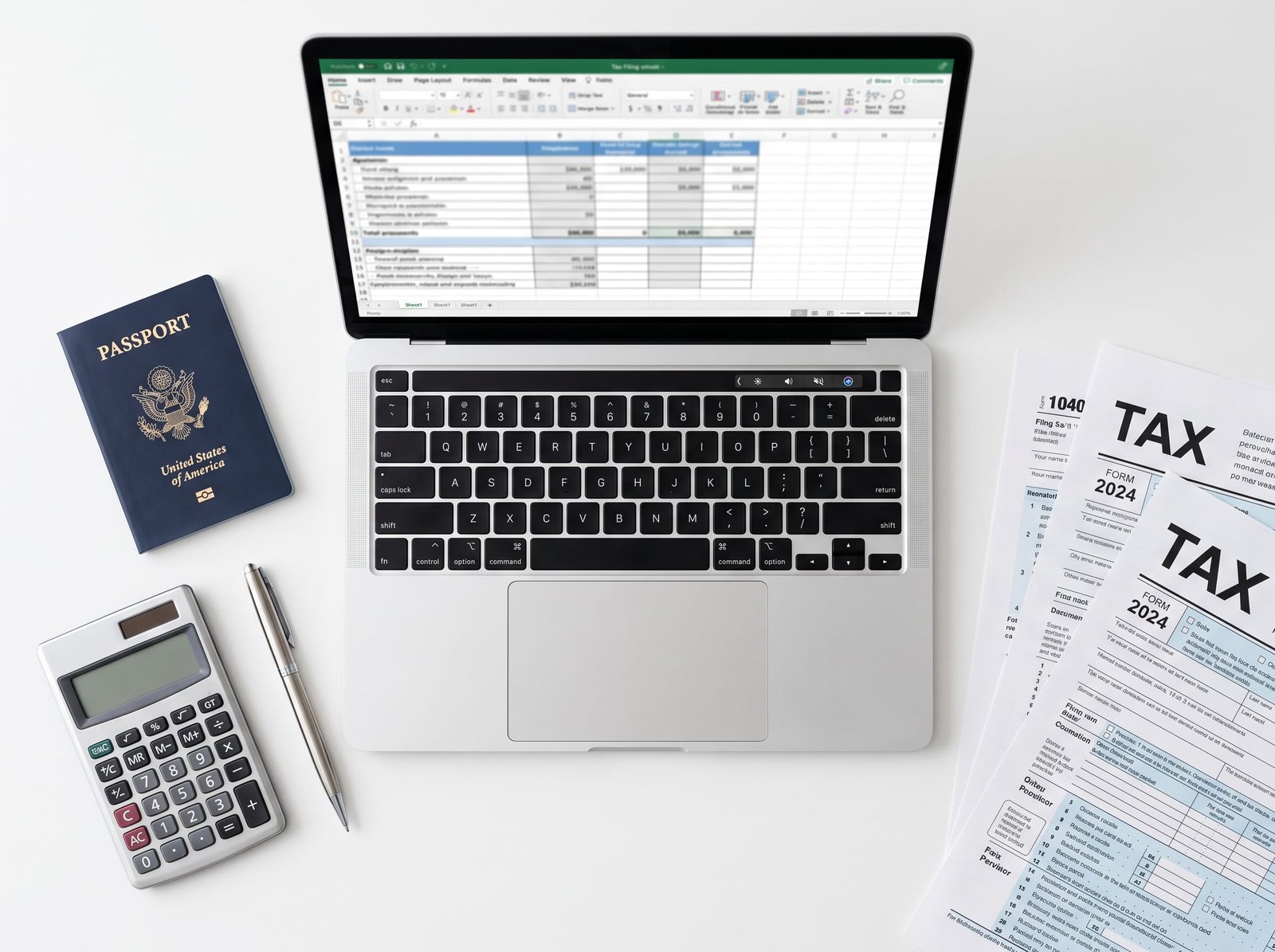
Your tax residency generally determines:
- What is the taxation on your global income
- What tax tax returns must be submitted
- If you have eligibility for tax treaties
- What deductions and credits you may be able to claim
Tax residency is not necessarily the same as
- Citizenship
- Immigration status
- Permanent residence
- Visa status
In addition to physical presence, some countries consider personal and economic ties to determine tax residency.
The 183-Day Rule Explained
What is one of the most misunderstood international tax concepts? The 183-Day Rule;
Simply put, many countries deem you a tax resident if you spend 183 days or more in that country during a tax year.
However, the rule isn’t universal.
Some countries also consider:
- Permanent home availability
- Family location
- Economic interests
- Center of vital interests
- Habitual residence
- Nationality
This is why, even spending less than 183 days in a country is not enough to keep you out of tax residency.
Make sure to go over the domestic tax rules of each country where you spend significant time.
How are Remote Work Taxes determined
There are a few key factors that affect remote work taxes.
Where are you physically working?
Income earned while physically working within a nation is taxed by many countries. Who pays you?
Income may come from:
- Foreign employers
- Local employers
- International clients
- Your own business
The place of income can influence taxLIabilities.
What visa are you using?
In some countries, employees of one company are forbidden to work in other company by immigration rules, working while on a tourist visa.
Several nations have recently introduced dedicated Digital Nomad Visas which come with respective tax provisions.
You Are a Digital Nomad, How Do You Pay Tax
So how do you file tax as a digital nomad?
Determine your tax residency
This forms the base of your planning for taxes.
Understand your filing obligations
Others require an annual filing including where little or no tax is payable.
Track your travel days
Maintain accurate records including:
- Entry dates
- Exit dates
- Flight confirmations
- Accommodation records
Keep detailed income records
Save documentation for:
- Client invoices
- Contracts
- Bank statements
- Payment processor reports
- Business expenses
Check tax treaty eligibility
Double taxation can be lessened or avoided altogether by Tax treaties.
Estimate your tax liability
Finding out about how much you might owe, before you do your taxes, can prevent surprises.
Find out your estimated taxes in less than 5 minutes.
International taxes must be prepared use spreadsheets and intuition.
Our Digital Nomad Tax Calculator Tool can help assess your expected tax liability depending on your residency, income, and travel situation. It gives you a quick idea of what your likely tax liability will be before you meet with a tax professional.
Avoiding Double Taxation
Double taxation is one of the biggest worries of digital nomads.
However, many countries have mechanisms in place to avoid this.
Common methods include:
Foreign Tax Credits
Foreign taxes can then apply to reduce taxes owed in France.
Tax Treaties
The bilaterally negotiated tax treaties will govern which country has primary taxing rights.
These agreements help reduce:
- Double taxation
- Withholding taxes
- Residency conflicts
Foreign Earned Income Exclusion (FEIE)
How the foreign earned income exclusion works for eligible U.S. taxpayersThe foreign earned income exclusion permits all or a portion of qualifying foreign earned income to be excluded from U.S. federal income tax if certain residency or physical presence requirements are satisfied.
Keep in mind:
- The exemption is limited to income from employment.
- Not everyone qualifies.
- Use of exclusion does not absolve of filing requirements.
- The exclusion amount is indexed for inflation, so always check the limit for the year you’re filing.
Choosing a Tax-Friendly Home Base
Digital nomads often find a long-term home base with a tax-friendly environment.
When evaluating countries, consider:
- Personal income tax rates
- Territorial taxation systems
- Capital gains rules
- Business taxation
- Digital Nomad Visa availability
- Cost of living
- Healthcare
- Banking
- Political stability
- Tax treaty network
Just remember, low taxs should never ever too base your decision on. Consider also lifestyle, legal -harmony- and long term residency options.
Digital Nomad Characteristics How to Be a Digital Nomad Job Writer Digital Nomad Mistakes
Avoid these costly errors.
Assuming travel eliminates taxes
The tax obligations you have when leaving your home country usually do not disappear.
Ignoring reporting requirements
The taxpayer has no tax payable, which functions as a taxation exemption, nevertheless there may be reporting obligations.
Not tracking travel days
Unexpected taxation may result from missing residency thresholds.
Mixing business and personal finances
Having different accounts makes it easy to keep track, and lessens the chance of being audited.
Waiting until tax season
Tax planning is year-round — not just around filing deadlines.
Why Tax Planning in 2026 Matters More
Governments across the globe are simultaneously continuing to raise the standards of international tax transparency
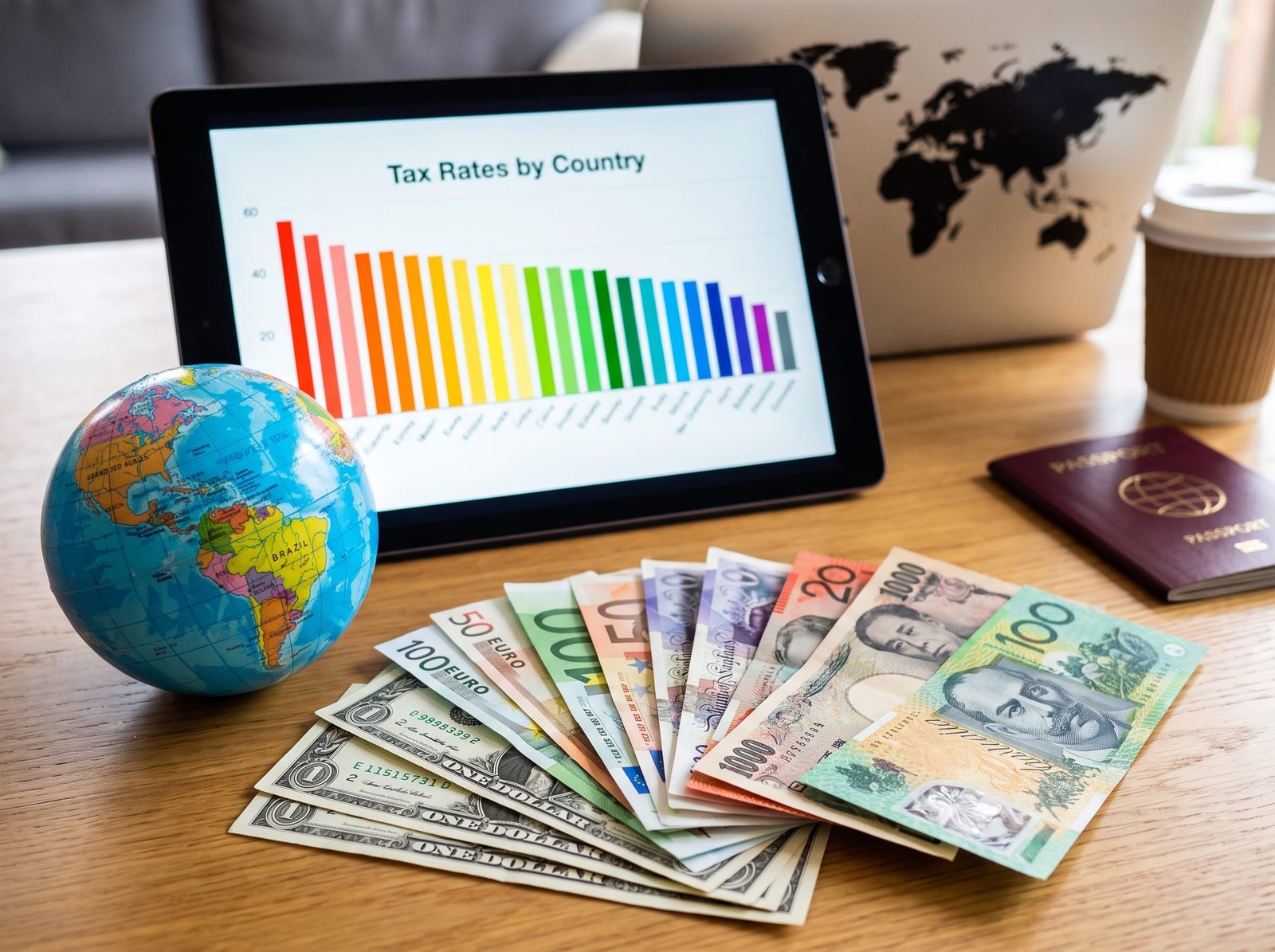
There are multiple ongoing trends, which can be impactful to digital nomads.
- Extended automatic exchange of tax information between different tax authorities
- Greater scrutiny of cross-border income
- Digital Nomad visa programs grow with defined taxation rules
- Higher compliance measures for employers regarding remote work
- Better Achievements in International Cooperation for Combating Tax Evasion
This means that real proactive planning can be worth more than ever.
Expat Tax Help for Multinational Professionals
There is no universal case for every digital nomad.
What credible expatriate tax solutions might look like:
- Tax residency planning
- Business structure optimization
- Treaty analysis
- Foreign tax credit planning
- Foreign earned income exclusion planning (if applicable)
- Estimated tax calculations
- Multi-country filing coordination
This makes professional take it even more valuable, especially with case files across borders.
Who Would Use a Digital Nomad Tax Calculator?
Digital Nomad Tax Calcualtor is useful for:
- Freelancers
- Remote employees
- Online business owners
- Consultants
- Contractors
- Long-term travelers
- Expats
- Location-independent entrepreneurs
Instead of estimating what your tax liability may be, a calculator gives you an approximation depending on your income and residence information.
Estimate Your Nomad Tax Today
[click here and check your digital nomad tax]
By planning ahead, you can minimize stress, avoid costly mistakes, and ensure you make the best decisions prior to and while living overseas.
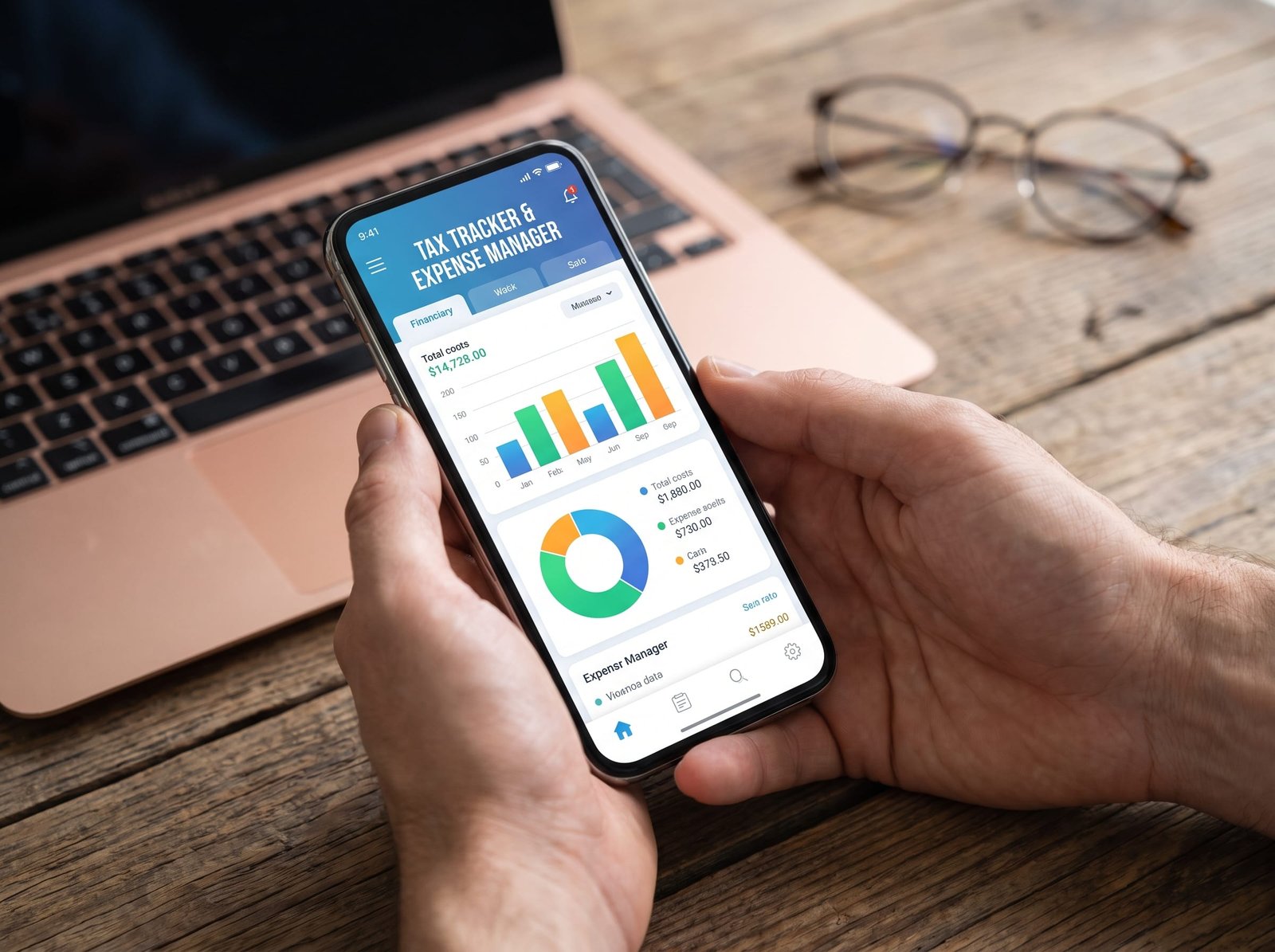
We recommend trying (our Digital Nomad Tax Calculator Tool) now to calculate your taxes, more accurately and be more sure about your nelowsthat you are gonna be handling for tax when living abroad.
- Tax Compliance Best Practices
- Keep doing these across the year.
- Track every country you visit.
- Store financial records in digital form.
- Maintain accurate bookkeeping.
- Save receipts for deductible expenses.
- Review tax residency annually.
- Understand local filing deadlines.
- If necessary consult an international tax professional.
- Tax estimation tools are your best friend before you make any moves.
Having good records will make tax season so much easier.
Frequently Asked Questions
Nomad Tax: Tax obligations of individuals earning while moving around over a number of countries. Auto-suggest cannot redeem prize cards, and because different tax residencies local laws citizenship treaties apply, only an idea of what taxes are owed can be given.
Begin by identifying your tax residency, knowing where you have a filing obligation, keeping track of travel days, maintaining solid records of your income, verifying all the tax treaty benefits you qualify for, and estimating your tax liability before you file.
Most countries use a physical presence test with the 183-day rule as a common standard, often described as a de facto tax residency. Yet many jurisdictions take other matters into account too, including permanent home, family ties, and economic interests.
In many cases, yes. Tax treaties, foreign tax credits, or special provisions like the Foreign Earned Income Exclusion for certain U.S. taxpayers can mitigate the effects of double taxation. How much relief you get and for how long also depends on the nature of your situation and where you are.
Conclusion
Digital Nomad Life is amazing, but International Taxation – you need to plan it.
Learn Nomad Tax (tax residency, remote work taxes, 183 day rule, tax treaties, foreign earned income exclusion) so that you can stay compliant across borders and avoid costly mistakes.
After all, every scenario is distinct and tax laws are constantly evolving. One of the best money moves you can make is to estimate your obligations before deciding whether or not to travel or relocate.
It will make the difficult process so much easier for you because it provides you with a quick estimate of where you stand with taxes, so you can plan better and sleep better. Our Digital Nomad Tax Calculator Tool.